AFCON explained: how the Africa Cup of Nations works
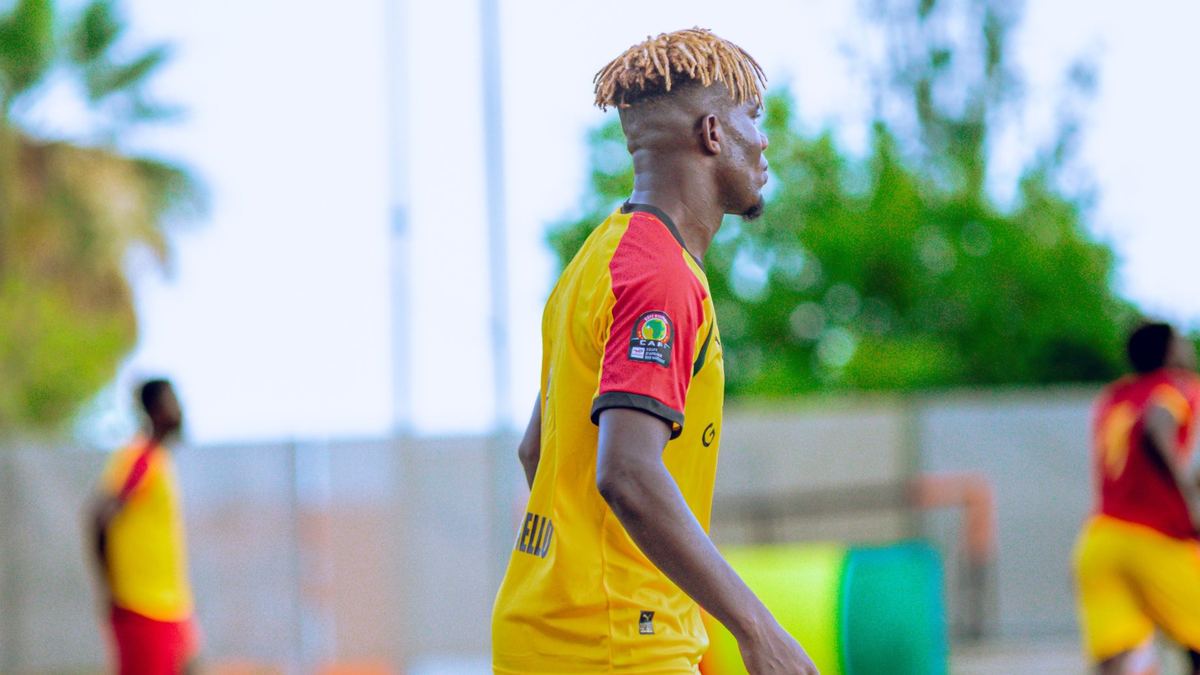
The Africa Cup of Nations (AFCON, or CAN in French and Portuguese) is Africa's biggest international tournament, organised by CAF (the Confederation of African Football). Here is how it works and what will change in the coming years.
A little history
The first edition was played in 1957 in Sudan with just three teams: Egypt, Sudan and Ethiopia. Egypt won, and they remain the most successful nation in the competition's history.
Current format: 24 teams
Since 2019, the finals have featured 24 teams:
| Stage | How it works |
|---|---|
| Group stage | 6 groups of 4 teams |
| Who goes through | The top 2 in each group + the 4 best third-placed teams |
| Knockout rounds | Round of 16, quarter-finals, semi-finals and final, all single matches |
In the knockout rounds, if a match ends level, there is extra time and, if needed, a penalty shoot-out.
Mozambique at AFCON 2025: a historic win
The Mambas qualified for AFCON 2025 in Morocco by beating Guinea-Bissau 2-1 in Bissau on the final matchday of qualifying, finishing 2nd in their group behind Mali.
It was Mozambique's 6th appearance at the finals, and until then they had never won a match at the tournament. That changed on 28 December 2025 in Agadir: Mozambique beat Gabon 3-2 to record the first win in their AFCON history. The Mambas went on to reach the round of 16, where they were knocked out by Nigeria.
The big change: AFCON every four years
In December 2025, CAF announced a historic reform:
- AFCON 2027: co-hosted by Kenya, Tanzania and Uganda.
- AFCON 2028: a transition edition.
- After 2028: AFCON will be played every four years, like the European Championship, instead of every two.
- African Nations League: a new annual competition from 2029, inspired by the UEFA Nations League, so that national teams still play regular competitive matches.
Why the change?
The international calendar has become very crowded, with the new Champions League format and the expanded World Cup. Many African players play for European clubs, and a tournament every two years, often in the middle of the European season, created conflicts between clubs and national teams.